Ledger Live Login — Secure Access to Your Crypto Portfolio
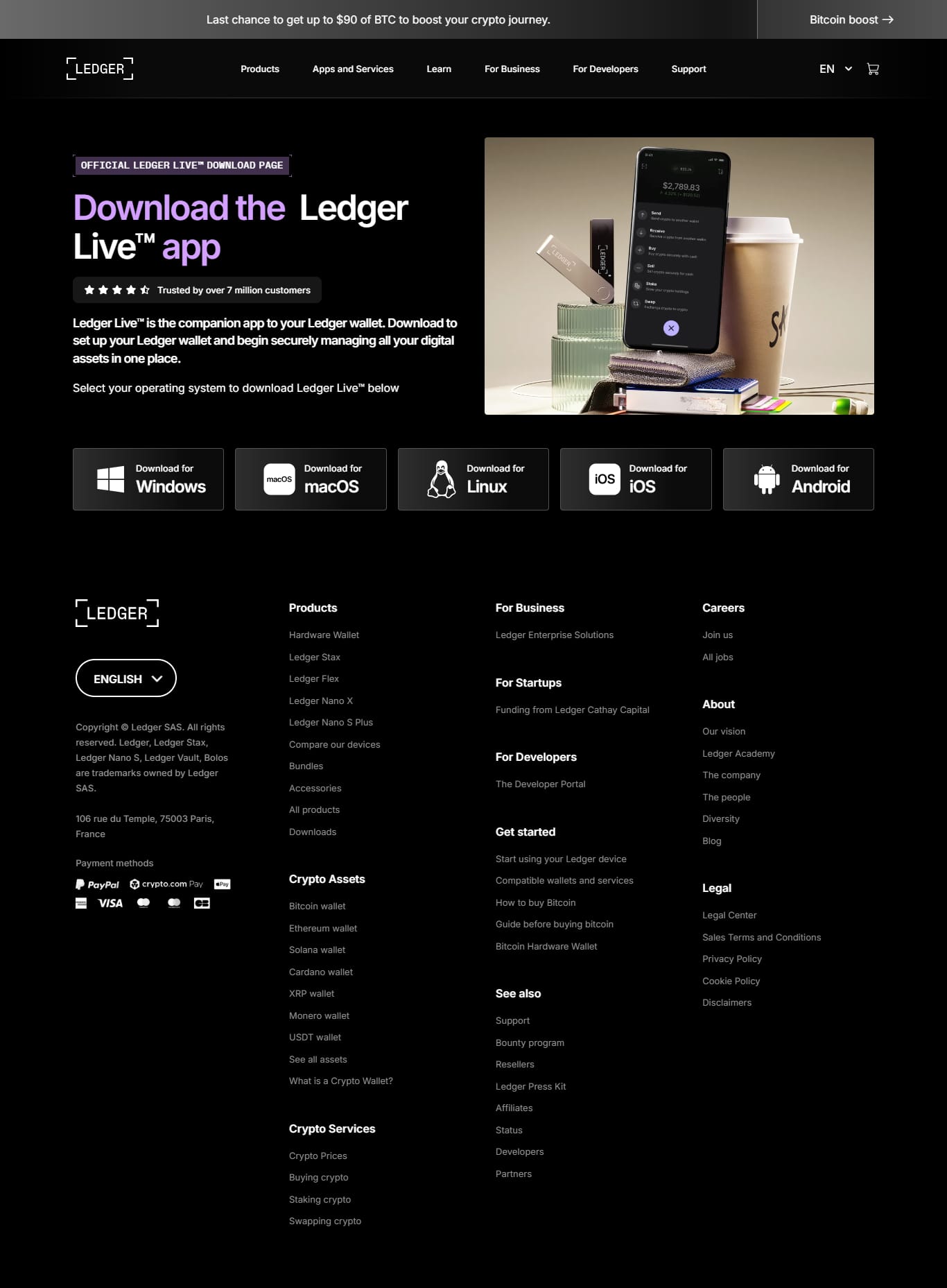
Ledger Live Login is the secure access process used to manage your cryptocurrency accounts through the Ledger Live application. Designed to work with Ledger hardware wallets like the Ledger Nano X and Ledger Nano S Plus, Ledger Live ensures that private keys remain offline while you manage assets safely through software.
Unlike exchange logins that rely only on passwords, Ledger Live Login requires hardware-based verification, giving users full control and significantly stronger protection against hacks, phishing, and malware.
What Is Ledger Live Login?
Ledger Live Login is the authentication process that connects your Ledger hardware wallet to the Ledger Live Desktop or Ledger Live App interface. Instead of entering private keys or sensitive credentials online, all secure operations are confirmed directly on your Ledger device.
Key benefits include:
- Offline private key storage
- On-device transaction verification
- Secure portfolio management
- Protection against phishing attacks
- Full self-custody of digital assets
This approach makes Ledger Live Login far more secure than traditional web-based logins.
How Ledger Live Login Works
The Ledger Live Login process combines software convenience with hardware security:
1. Open Ledger Live
Launch Ledger Live Desktop on your computer or the Ledger Live App on your smartphone.
2. Connect Your Ledger Device
Use USB for Ledger Nano S Plus or USB/Bluetooth for Ledger Nano X.
3. Unlock Your Device
Enter your PIN code directly on the Ledger hardware wallet.
4. Authenticate Access
Ledger Live communicates with your device to access accounts and balances. Sensitive actions require confirmation on the device screen.
5. Manage Your Portfolio
After login, you can send, receive, stake, and manage assets securely.
Private keys never leave the hardware wallet during this process.
Why Ledger Live Login Is More Secure
Traditional logins rely on passwords stored online. Ledger Live Login removes this risk.
| Traditional Login | Ledger Live Login |
|---|---|
| Password-based | Hardware-verified |
| Keys stored online | Keys stored offline |
| Vulnerable to phishing | Device confirmation required |
| Remote access possible | Physical device required |
Even if your computer is infected, attackers cannot approve transactions without your Ledger device.
Security Features Behind Ledger Live Login
🔐 PIN Protection – Prevents unauthorized physical access.
🧩 Passphrase Support – Adds hidden wallet security.
🛡 Secure Element Chip – Protects cryptographic data.
🖥 On-Device Verification – All transactions shown on device screen.
🔄 Firmware Checks – Ensures device authenticity.
Together, these features make Ledger Live Login one of the safest authentication methods in crypto.
Where You Use Ledger Live Login
After setting up through Ledger.com/start, Ledger Live Login is used for:
- Sending and receiving cryptocurrency
- Managing multi-asset portfolios
- Installing crypto apps on your device
- Staking supported coins
- Swapping and buying crypto through partners
Each action requiring approval is verified physically.
Best Practices for Safe Ledger Live Login
To maximize security:
- Always verify transaction details on your device
- Keep Ledger Live and firmware updated
- Store recovery phrases offline
- Use a strong PIN and optional passphrase
- Never enter recovery phrases into Ledger Live
Security depends on both hardware protection and user responsibility.
Common Issues During Ledger Live Login
Some users may face:
- Device not detected → Update Ledger Live or try another USB port
- Bluetooth issues → Reconnect Nano X
- App out of date → Install latest version
- Firmware mismatch → Update firmware via Ledger Live
These issues are usually resolved through updates or reconnection.
Final Thoughts
Ledger Live Login combines hardware wallet protection with an intuitive software interface, allowing users to manage cryptocurrency safely without exposing private keys online. By requiring physical confirmation for sensitive actions, it delivers security that traditional login systems simply cannot match.